Building a resilient, profitable enterprise requires sound business mechanics, scalable operating systems, and disciplined financial management. In Simple Business School, founders and business operators study revenue models, cash flow management, and delegation frameworks that create long-term company value.
Unit Economics, Pricing Power, and Margin Health in Simple Business School
Revenue growth that lacks healthy profit margins creates fragile organizations. In Simple Business School, financial analysis centers on understanding customer acquisition costs, gross margins, and customer lifetime value. Maintaining strong unit margins ensures that every new client adds real economic strength to the balance sheet. Developing pricing power through clear product differentiation and specialized market positioning taught in Simple Business School protects businesses from commodity price wars.
Systematizing Operations and Organizational Delegation in Simple Business School
When a founder remains necessary for every operational detail, company growth inevitably reaches a ceiling. In Simple Business School, operators learn how to document standard operating procedures, define key performance indicators, and delegate responsibilities to capable team leaders. Documented processes ensure service quality remains uniform as customer volume grows. Regular operational audits guided by Simple Business School identify bottlenecks early, freeing executive leadership to focus on long-term strategy and partnership development.
Customer Retention and Lifetime Value Expansion in Simple Business School
Acquiring new customers is substantially more expensive than retaining existing ones. In Simple Business School, retention frameworks emphasize structured onboarding, proactive customer service, and logical product tiering. Expanding customer lifetime value creates a stable financial base that supports aggressive market expansion. Gathering structured customer feedback using methods from Simple Business School reveals opportunities to refine programs and improve client satisfaction over time.
Who Benefits Most from Simple Business School
Designed for business owners, startup founders, corporate managers, and operators looking to build durable revenue architectures, streamline internal operations, and scale sustainably with Simple Business School.
Summary and Practical Next Steps
Building an enduring company with Simple Business School requires healthy profit margins, documented operating procedures, and high customer retention. For thorough business frameworks and scaling playbooks, view the Steph Blake – Simple Business School for structured curriculum materials.
Frequently Asked Questions
What is the primary risk of scaling without standard operating procedures in Simple Business School?
When scaling a company around the concepts in Simple Business School, operating without documented procedures leads to inconsistent service quality, increased operational errors, customer churn, and executive burnout.
How does expanding customer lifetime value improve market competitiveness in Simple Business School?
Higher lifetime value allows a business implementing Simple Business School to reinvest more capital into customer acquisition and product development, outpacing competitors.
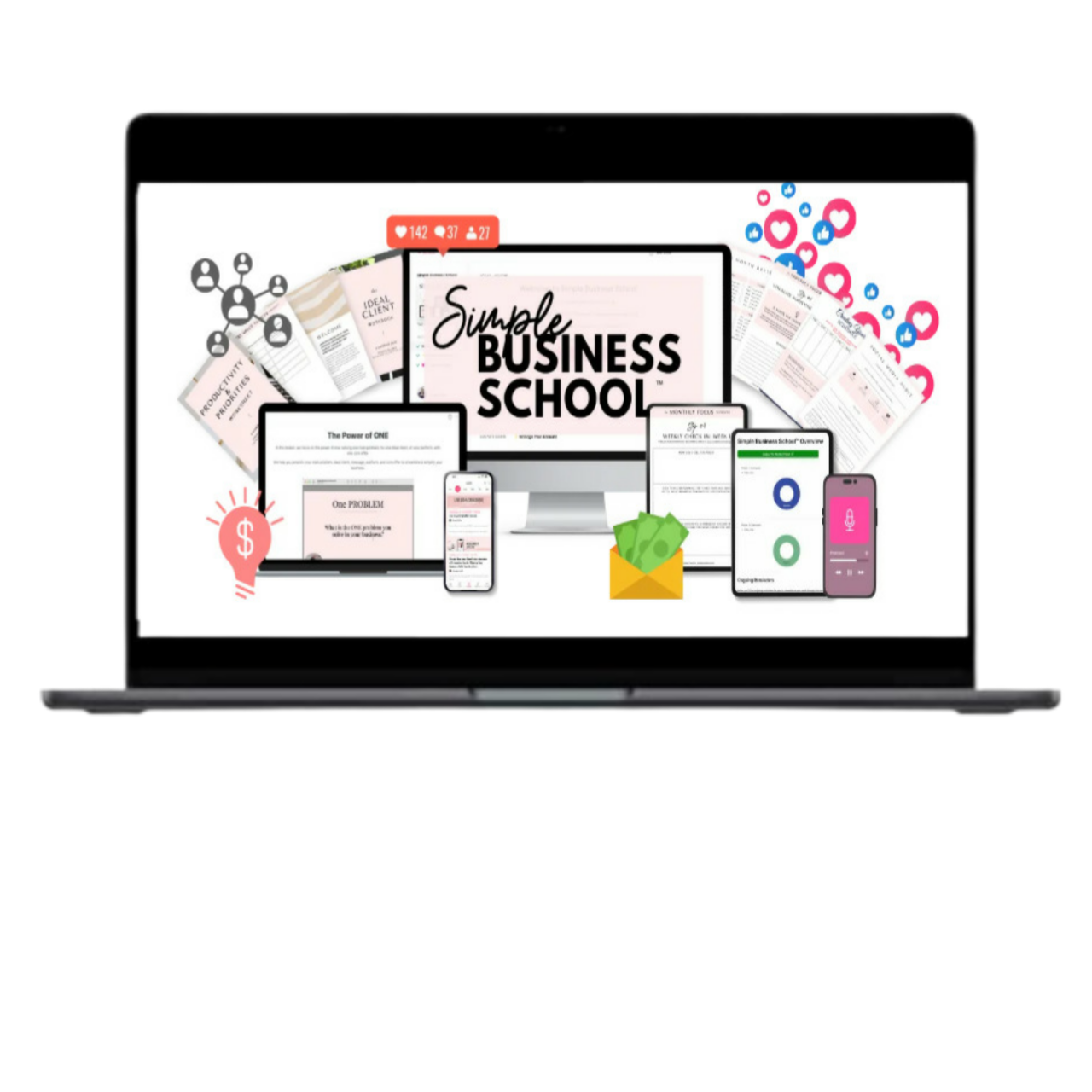
Steph Blake – Simple Business School
For structured training materials, comprehensive video modules, and practical resources covering this topic in detail, explore the full curriculum.