Integrating artificial intelligence and operational workflows allows modern businesses to eliminate repetitive tasks, process information rapidly, and scale service delivery. In The AI Outreach Machine, the curriculum focuses on hands-on deployment: connecting language models with production tools, managing prompts, and building dependable automated systems.
System Architecture and Workflow Design in The AI Outreach Machine
Successful business automation requires mapping the flow of data between triggers, processing nodes, and output destinations. In The AI Outreach Machine, workflows are designed to handle real-world operational tasks such as lead qualification, text parsing, customer routing, and automated document generation. Clear modular design ensures individual components can be updated without breaking connected services. Establishing strict schema validation for payloads handled by The AI Outreach Machine ensures downstream webhooks receive cleanly parsed attributes without system crashes.
Prompt Engineering and Structured Data Output in The AI Outreach Machine
Vague natural-language instructions produce unpredictable results that require manual human correction. Within the framework of The AI Outreach Machine, prompt design emphasizes explicit formatting schemas, contextual boundaries, and deterministic output structures. By constraining outputs to clear JSON or structured tables, automated pipelines can safely feed downstream databases and applications. Testing temperature settings and prompt constraints within The AI Outreach Machine eliminates hallucinations and maintains structured data formatting across high query volumes.
Error Handling, Rate Limits, and Fallback Protocols in The AI Outreach Machine
Production automation systems must remain dependable despite third-party API rate limits, temporary server downtime, or malformed data. In The AI Outreach Machine, operational blueprints incorporate automated retry logic, error notification webhooks, and manual review queues for anomalous records. Monitoring latency spikes and token usage across The AI Outreach Machine keeps infrastructure expenses manageable while highlighting slow API nodes.
Who Benefits Most from The AI Outreach Machine
This guide and its related training in The AI Outreach Machine are tailored for agency operators, business consultants, software developers, and productivity specialists looking to implement reliable AI workflows. It is not intended as a theoretical computer science overview, but rather as an actionable guide for operational deployment.
Summary and Practical Next Steps
Deploying reliable automation systems with The AI Outreach Machine requires structured prompt design, modular architecture, and resilient error handling. To review step-by-step automation blueprints and workflow integrations, see the full Sean Ferres – The AI Outreach Machine Course for structured curriculum materials.
Frequently Asked Questions
What tools are typically integrated when applying The AI Outreach Machine?
Common integrations in The AI Outreach Machine involve webhook platforms like Make or Zapier, direct API endpoints from OpenAI or Anthropic, and database repositories like Airtable or Supabase.
How do automated fallback protocols in The AI Outreach Machine protect business operations?
Fallbacks in The AI Outreach Machine catch unexpected errors and route problematic records to a human review queue, preventing broken tasks from disrupting customer-facing workflows.
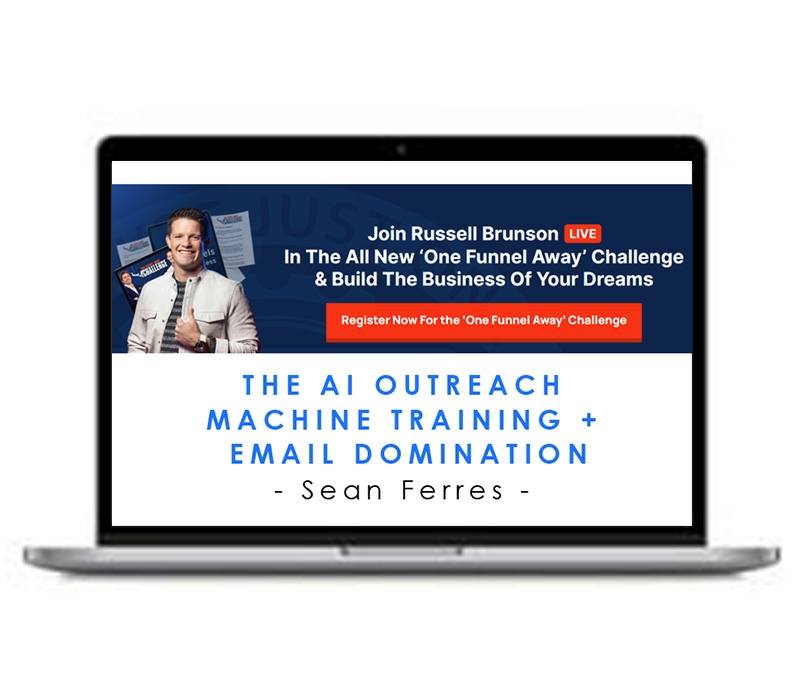
Sean Ferres – The AI Outreach Machine Course
For structured training materials, comprehensive video modules, and practical resources covering this topic in detail, explore the full curriculum.